Spinal Stenosis: What It Is and What Makes It Worse Over Time
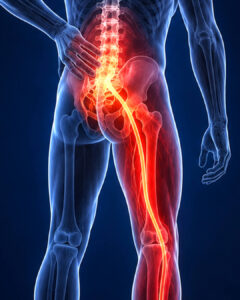 Back or neck pain can be frustrating on its own. When the pain starts radiating into your arms or legs and causes numbness, weakness, or difficulty standing or walking, it may point to something more specific happening in your spine.
Spinal stenosis occurs when the space inside the spine becomes narrowed. For some, symptoms build gradually over time. For others, they may become more noticeable during everyday activities like walking, standing, or looking down. Read on as Orlin & Cohen’s Felross Arimas, DPT, explains what spinal stenosis is, why it can worsen over time, and when it may be time to see a spine specialist.
What Spinal Stenosis Actually Is
Spinal stenosis means that part of the spinal canal or nerve passageway has narrowed. This can happen because of changes in the bones, joints, discs, or soft tissues surrounding the spine. As the available space decreases, nerves may become irritated or compressed.
Spinal stenosis can affect different areas of the spine. It may occur in the central spinal canal, where the spinal cord or nerve structures travel, or in the openings where nerves exit the spine. It can also affect the lateral recesses, which are smaller spaces through which nerves pass before leaving the spinal canal.
Where It Shows Up and What It Feels Like
Spinal stenosis in the neck
Cervical spinal stenosis can cause neck pain, headaches, radiating symptoms, and electric-like sensations that may extend into the arms or hands. Some patients experience numbness, tingling, weakness, or changes in coordination. In more serious cases, pressure on the spinal cord can affect walking or hand function.
Spinal stenosis in the lower back
Lumbar spinal stenosis often causes lower back pain along with symptoms that travel into one or both legs. Patients may notice numbness, weakness, heaviness, cramping, or discomfort that gets worse with standing or walking. In rare but serious cases, severe lumbar stenosis can contribute to cauda equina syndrome, which may cause urinary retention, saddle anesthesia, or loss of continence.
The Pattern That Gives It Away: Worse Standing, Better Sitting
One of the most common patterns with lumbar spinal stenosis is pain that worsens with standing or walking and improves with sitting or resting. This happens because certain positions can increase or decrease pressure on the narrowed spaces in the spine.
Many patients find that leaning slightly forward, such as when using a shopping cart, feels better than standing fully upright. This pattern can be an important clue during evaluation.
What Makes Spinal Stenosis Worse Over Time
Age-related wear on joints and ligaments
As the spine ages, natural wear and tear can lead to arthritis. The small joints in the spine may enlarge, and nearby ligaments may thicken. Over time, these changes can reduce space in the spinal canal and increase pressure on nerve structures.
Disc degeneration
Spinal discs lose hydration and height over time. As discs flatten, bulge, or collapse, they can begin to crowd nearby nerves. This is one reason stenosis often develops gradually rather than all at once.
Too much strain and too little movement
Heavy lifting and high-impact activities can strain the spine, especially when symptoms are already present. Too little movement can also be a problem because sedentary lifestyles may weaken the muscles that support the spine, making it harder for the body to handle stress and maintain healthy movement.
Posture and prolonged standing
Poor posture, slouching, or standing for long periods with the back extended can increase pressure on the spine. Over time, this may make symptoms more noticeable, especially in patients with lumbar stenosis.
Chronic inflammation
Untreated inflammation from conditions such as arthritis can contribute to swelling around nerve roots. When the spine already has limited space, even small increases in irritation can worsen symptoms.
What You Can Do to Slow It Down
While spinal stenosis may not always be preventable, healthy habits can help support the spine, including:
- Staying active
- Maintaining strength and flexibility
- Improving posture
- Eating well
- Avoiding prolonged inactivity
How Spinal Stenosis Is Treated
Nonsurgical care
Mild to moderate spinal stenosis is often treated without surgery. Nonsurgical care may include anti-inflammatory medication, pain-relieving medication, epidural injections, and physical therapy. Physical therapy can help improve flexibility, strengthen the muscles that support the spine, and teach safer movement patterns.
When surgery is considered
Surgery may be considered when symptoms are severe, progressive, or not improving with conservative care. Surgical options create more space in the spinal canal by removing, trimming, or realigning irritated structures. Your orthopedic specialist can determine whether surgery is appropriate based on your symptoms, diagnostic imaging, and overall function.
Request an Appointment with an Orlin & Cohen Spine Specialist
If back or neck pain is affecting how you walk, stand, move, or get through your day, it’s important to understand what is causing your symptoms. At Orlin & Cohen, our fellowship-trained spine specialists can evaluate your condition, determine whether it’s spinal stenosis, and recommend a treatment plan tailored to your needs.
Book an appointment today and take the next step toward moving with greater comfort and confidence.